

Bone grafting in Tallahassee, FL is a common dental procedure that helps restore lost bone in the jaw. It’s often necessary for patients who need dental implants but don’t have enough healthy bone to support them. The goal of bone grafting is to rebuild strong, stable bone that allows for successful implant placement and long-term oral health.
This procedure uses bone material that may come from the patient, a donor, or synthetic sources to gently encourage new bone growth. Patients in Tallahassee can feel confident knowing that modern techniques focus on comfort and effective healing, making the process smoother than many expect.
For anyone facing tooth loss or implant needs, understanding bone grafting is a helpful step. Talking to a trusted local dental expert can provide personalized answers and ease any worries about the treatment.
Understanding Bone Grafting
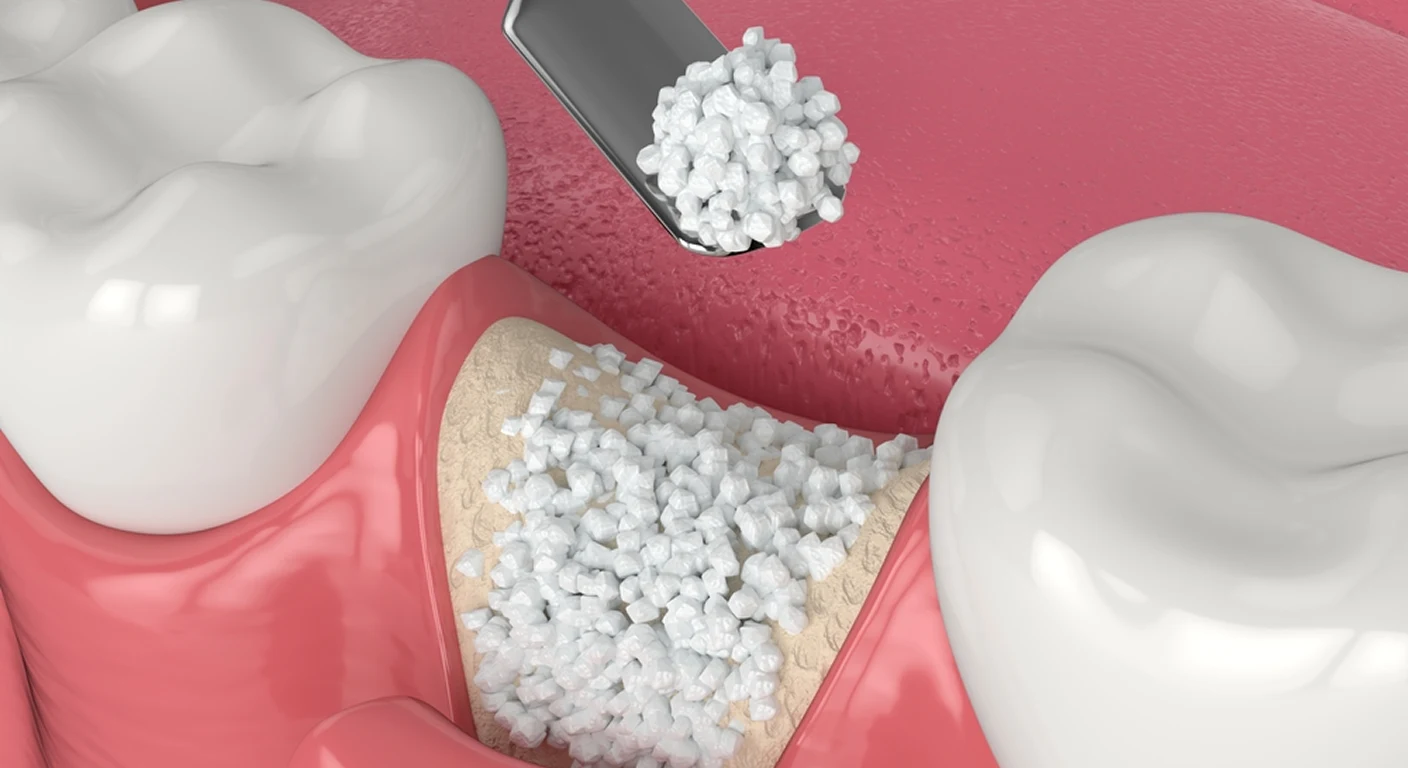
Bone grafting helps rebuild and strengthen the jawbone when natural bone is insufficient. It involves adding material to the jaw to support teeth, implants, or restore lost bone structure. Different types of graft materials serve specific needs, and the process works by encouraging new bone growth.
Why Bone Grafts Are Needed
Bone grafts are commonly needed when the jawbone has deteriorated due to tooth loss, injury, or infection. Without enough bone, dental implants may not have a solid foundation, leading to instability or failure.
Patients with gum disease or trauma may also experience bone loss significant enough to require grafting. Bone grafts can restore the shape and strength of the jaw, helping improve chewing, speaking, and overall oral health.
In some cases, bone grafting is done before placing implants to ensure the area is ready. It prevents future complications by providing the necessary support for dental restorations.
Types of Bone Graft Materials
There are several bone graft materials available, each with its advantages:
- Autografts: Bone taken from the patient’s own body, often the chin or hip. It has the highest success rate because it contains living cells and growth factors.
- Allografts: Donor bone from a human tissue bank. It’s processed for safety and commonly used when autografts aren’t an option.
- Xenografts: Bone from animals, usually cows, treated to be safe and compatible with humans.
- Alloplasts: Synthetic materials designed to mimic natural bone structure.
The choice depends on patient health, graft size, and personal preferences. Each type supports bone regeneration in different ways but aims to restore function efficiently.
How Bone Grafts Work
Bone grafts act as a scaffold for new bone cells to grow and attach. When placed, they stimulate the body to produce new bone tissue, gradually replacing the graft material with the patient’s own bone.
The healing process varies, typically taking a few months for the bone to become strong enough to support implants or other dental work. During this time, close monitoring ensures proper integration.
Modern techniques and materials help reduce discomfort and speed recovery, making bone grafting a reliable option for restoring jawbone health.
When Bone Grafting Is Recommended
Bone grafting is often suggested in situations where additional bone is needed to restore strength or structure in the jaw. This procedure supports various dental treatments by providing a solid foundation for restorations. Below are key reasons why a dental professional might recommend bone grafting.
Preparing for Dental Implants
Bone grafting is commonly advised before dental implants when the jawbone is not thick or dense enough to hold the implant securely. Over time, missing teeth can cause bone loss, making implant placement risky without extra support.
The graft adds volume and encourages new bone growth, ensuring the implant will be stable. This preparation helps reduce implant failure risks and improves long-term success. Patients may undergo grafting several months before the implant is placed to allow proper healing.
Supporting Dentures or Bridges
In some cases, dentures or bridges need additional bone support to fit properly and stay comfortable. Bone grafting can create a better contour for these dental appliances, which improves their stability and function.
A stronger bone foundation helps dentures stay in place, cutting down on slipping or discomfort. For bridges, having enough bone under the abutment teeth prevents shifting or damage. This makes eating and speaking easier while protecting oral health.
Addressing Bone Loss from Gum Disease
Gum disease often causes bone loss around teeth, leading to looseness or potential tooth loss. Bone grafting can repair this damage by rebuilding the lost bone and giving the gums better support.
Treating bone loss early helps preserve natural teeth and maintains facial structure. The procedure may involve cleaning infected areas and placing graft material to stimulate bone growth. Regular dental care after grafting supports lasting results.
What to Expect During the Procedure
Bone grafting in Tallahassee involves careful planning and a step-by-step process to restore bone where it’s needed. From the initial evaluation to healing, the procedure is designed for comfort and effectiveness while supporting the success of future dental work.
Initial Consultation and Evaluation
During the first appointment, the dentist reviews the patient’s medical history and performs a detailed oral examination. X-rays or 3D scans are used to assess bone density and identify the exact area that requires grafting.
This step helps determine the best graft material and technique. The dentist will discuss options like using the patient’s own bone, synthetic materials, or donor bone. The patient is encouraged to ask questions and share any health concerns that might affect healing.
A personalized treatment plan is created, including detailed instructions on pre-surgery preparation, such as avoiding certain medications or habits like smoking.
Outline of the Bone Grafting Process
The procedure typically starts with local anesthesia or mild sedation for patient comfort. Once numb, the dentist makes an incision to expose the area needing bone support.
The chosen graft material is carefully placed and secured, sometimes with small screws or membranes to hold it in position. The dentist then closes the incision with stitches to protect the site during healing.
The whole process usually takes about 1 to 2 hours, depending on the graft size and site. Patients might feel mild pressure but should not experience pain during the procedure.
Timeline for Healing and Recovery
Healing after a bone graft can take several months, usually between 3 to 6 months, allowing new bone to grow and integrate fully. During this time, follow-up visits monitor progress and check for any complications.
Patients may experience mild swelling, discomfort, or minor bleeding in the days following surgery. These symptoms are normal and manageable with prescribed pain relievers and cold compresses.
Good oral hygiene and avoiding strenuous activity help promote faster recovery. The dentist will provide clear aftercare guidelines, including diet recommendations and when it’s safe to resume normal routines.
Modern Bone Grafting Techniques
Bone grafting in Tallahassee has advanced with new methods that focus on patient comfort and improved healing. These techniques reduce recovery times and make the process less invasive. Additionally, the materials used now offer better integration with the body, supporting long-term success.
Minimally Invasive Approaches
Minimally invasive bone grafting reduces discomfort and speeds up healing. Instead of large incisions, dentists use smaller, precise openings. This approach limits tissue damage and lowers the risk of infection.
Techniques like guided bone regeneration (GBR) employ membranes to protect the graft while encouraging bone growth. This method carefully preserves surrounding structures, making it especially beneficial for patients with limited bone volume. Using advanced imaging, the dentist plans the procedure to avoid nerves and sinuses.
Patients generally experience less swelling and pain. They find the recovery smoother, allowing a quicker return to daily activities. For many, this translates into a less intimidating experience overall.
Advancements in Graft Materials
Bone graft materials have come a long way. Today, choices include:
- Autografts, using the patient’s own bone.
- Allografts, sourced from donors.
- Xenografts, from animal sources.
- Synthetic options, made from bioactive compounds.
Each type has unique benefits. Autografts provide the best compatibility but require an additional surgical site. Allografts and xenografts reduce that need while still supporting strong bone growth.
Synthetic materials like calcium phosphate mimic natural bone and support regeneration without the risks of disease transmission. Some blends combine these materials to optimize healing and structural support.
Modern grafts are designed to stimulate new bone cells and integrate seamlessly with existing bone. This results in a stable foundation for implants and better long-term outcomes.
If you’re considering bone grafting, it’s good to discuss the options with your dental specialist. They can help tailor the treatment to your needs, ensuring comfort and success.
Your Comfort and Safety
Ensuring patient comfort and safety is a priority during and after bone grafting procedures. Effective pain control and strict infection prevention strategies are essential for a smooth recovery.
Pain Management Options
Pain after bone grafting can be managed with several approaches tailored to each patient’s needs. Dentists often recommend over-the-counter pain relievers like ibuprofen or acetaminophen. For more significant discomfort, prescription medications may be provided for a short period.
Local anesthesia is used during the procedure to keep patients comfortable and pain-free. Some clinics also offer sedation options, depending on the patient’s anxiety level and treatment complexity. Ice packs applied to the area after surgery can reduce swelling and ease pain naturally.
Clear instructions for pain management at home help patients avoid unnecessary discomfort while healing. Patients should always follow the dentist’s guidelines carefully and reach out if pain increases or does not improve within a few days.
Infection Prevention and Aftercare
Preventing infection is critical after bone grafting to ensure proper healing. Patients must keep the surgical site clean without disturbing the graft material. Dentists usually prescribe antibiotics to reduce the risk of infection, especially in complex cases.
Good oral hygiene is essential, but brushing around the graft area should be gentle. Rinsing with a mild antimicrobial mouthwash or saltwater solution, as directed, helps remove bacteria. Avoiding smoking and strenuous activity during recovery also supports tissue health.
Patients are advised to watch for signs of infection such as increased redness, swelling, or pus. Prompt communication with the dental office at any symptom of concern ensures timely treatment and a safer recovery process.
Caring for Your Smile After Bone Grafting
Proper care after a bone graft is crucial to ensure healing and protect the new bone. Patients need clear guidelines on how to manage discomfort, avoid infection, and maintain oral health to support lasting results.
Simple Tips for a Smooth Recovery
After a bone graft, swelling and mild discomfort are normal. Applying an ice pack to the cheek for 15 minutes on, 15 minutes off, during the first 24 hours helps reduce swelling. Pain can be managed with prescribed or over-the-counter medications as directed.
Patients should avoid strenuous activities and keep their head elevated while resting. Soft foods like yogurt, mashed potatoes, and soups should be eaten for the first several days. Avoid hot, spicy, or crunchy foods that might irritate the surgical site.
Oral hygiene matters but must be gentle. Brushing nearby teeth carefully and rinsing with a saltwater solution (½ teaspoon salt in 8 ounces warm water) 2-3 times daily helps prevent infection without disturbing the graft.
Long-Term Oral Health Maintenance
Once the bone graft site has healed, regular dental visits are essential to monitor bone integration and gum health. Dentists may take x-rays to confirm that the graft supports upcoming treatments, such as implants.
Daily brushing and flossing remain key for long-term success. Patients should use a soft-bristled toothbrush and avoid aggressive flossing around the grafted area. Special interdental brushes or water flossers may be recommended.
Lifestyle choices affect results, too. Avoiding tobacco and limiting alcohol can promote healthier gums and bone. Staying hydrated and eating a balanced diet rich in calcium and vitamin D supports strong bone maintenance.
Encouraging questions about post-operative care and regular checkups helps patients feel confident in their healing journey.
Choosing a Dental Team in Tallahassee
Finding the right dental team means looking for expertise in bone grafting, a welcoming environment, and clear communication. Patients should consider how providers explain the treatment process and address concerns, helping them feel comfortable and informed every step of the way.
Qualities of an Experienced Provider
An experienced bone grafting provider in Tallahassee should have specialized training in oral surgery or periodontics. This ensures they understand bone tissue and graft materials well and can tailor treatments to individual needs.
Look for credentials like board certification and years of performing bone graft procedures. Clinics that invest in advanced imaging technology, such as 3D scans, typically provide more accurate diagnosis and better outcomes.
Patient reviews and before-and-after photos can also signal skill and patient satisfaction. Plus, a good provider prioritizes comfort with sedation options and clear pre- and post-op instructions to ease anxiety.
Questions to Ask at Your Consultation
Patients should come prepared with questions that clarify the provider’s approach and treatment plan. Asking about the type of graft material—autograft, allograft, or synthetic—helps understand the procedure’s specifics.
Inquire about recovery time and what to expect regarding pain or swelling. It’s also important to ask how the graft fits into a broader dental plan, especially if implants or other restorations are involved.
Discuss costs, insurance coverage, and payment options upfront. Finally, patients should feel encouraged to ask about the provider’s follow-up care and how complications, if any, would be handled.
Taking the Next Step Toward a Healthier Smile
Bone grafting is a crucial step for many patients preparing for dental implants or repairing damage from injury or disease. It helps create a stable foundation, giving the jawbone strength and volume needed to support new teeth comfortably.
Patients in Tallahassee can expect personalized care that focuses on their comfort and healing. The procedure often uses modern materials that work well with the body, whether through natural bone or synthetic options.
Before the grafting, a thorough evaluation ensures the best approach for each individual. This includes reviewing dental history, current bone health, and any concerns the patient might have.
Key benefits of bone grafting include:
- Restoring bone loss
- Improving dental implant success rates
- Enhancing overall oral health
Healing times vary but generally range from a few weeks to several months, allowing the graft to fully integrate with the existing bone. During this period, gentle care and follow-up visits help ensure smooth recovery.
Encouraging patients to ask questions about their treatment builds trust and confidence. Those interested in improving their smile should consult with a Tallahassee dental professional to explore if bone grafting is right for them.
Frequently Asked Questions
Bone grafting involves several factors like when it is needed, the types available, costs, recovery, care tips, and how long the graft lasts without an implant. Understanding these details helps patients feel more comfortable and informed about the process.
Do I really need a bone graft before getting a dental implant, and how do you decide?
A bone graft is often necessary if there isn’t enough healthy bone to support an implant. Your dentist will review X-rays or scans to check bone density and volume before making a recommendation.
What are the different types of dental bone grafts, and which one is usually best for my situation?
Common types include autografts (bone from your body), allografts (donor bone), xenografts (animal bone), and synthetic materials. The best choice depends on your needs, healing ability, and the dentist’s expertise.
How much does a dental bone graft typically cost, and what factors can change the price?
Costs vary widely, ranging from $300 to $3,000 or more. The price depends on graft type, the procedure’s complexity, clinic location, and whether additional treatments are needed.
What does recovery feel like—how much pain or swelling is normal after a bone graft?
Mild to moderate discomfort and swelling are common for a few days after the procedure. Over-the-counter pain relievers and ice packs usually manage symptoms effectively.
How can I help my bone graft heal faster and protect it while it’s recovering?
Following your dentist’s instructions is key. This means avoiding hard or chewy foods, keeping the mouth clean but gentle, and not smoking or using straws that cause suction.
How long can a bone graft last if I don’t place an implant right away?
A well-done bone graft can maintain its volume for several months to over a year. Still, implants are recommended as soon as the site is fully healed to preserve bone stability and function.
